Home ⁄ Posts Tagged "3D Product Design"

Industry Challenges & How 3D Solves Them

Industry Challenges & How 3D Solves Them

Why Forward-Thinking Furniture Brands Are Adopting 3D Technology in 2025

The furniture industry is evolving faster than ever. Customers want personalized products, manufacturers demand accuracy, and retailers need tools that help them sell confidently—both online and offline. Yet despite this, many brands still struggle with avoidable challenges such as miscommunication, order errors, and slow sales cycles.

This is where 3D product configuration, AR tools, and digital space planning are making a massive impact. They don’t just “enhance” the buying experience—they solve some of the industry’s biggest pain points at their root.

In this blog, we’ll explore the top challenges faced by furniture retailers and manufacturers today, and how 3D technology is transforming the way the industry works.

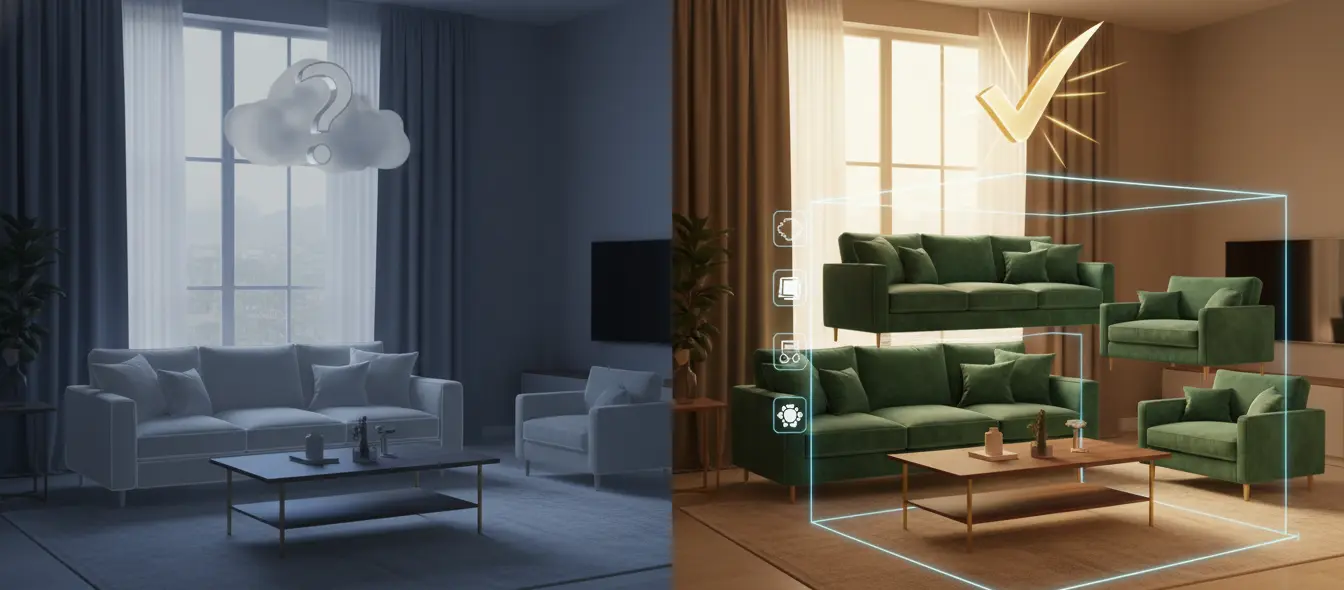
Challenge 1: Customers Can’t Visualize the Product

Traditional 2D photos fail to show true size, proportions, textures, or finishes. As a result, customers often feel unsure about their purchase—even if they love the design.

How 3D Solves This

  • 360° view from every angle
  • Real-time material, colour, and finish changes
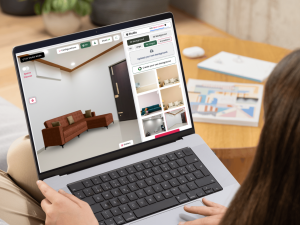
  • Ability to view the furniture in their actual space using AR
  • Accurate representation of scale and dimensions

Customers know exactly what they are buying, resulting in higher confidence and fewer returns.

Challenge 2: Miscommunication Between Customer, Retailer & Manufacturer

In the furniture industry, even the smallest misunderstanding—finish, size, module layout, cushion type—can lead to wrong orders, wasted material, and production delays.

How 3D Solves This

  • Every customization is documented automatically
  • A detailed order card/production card is generated with specifications
  • No dependency on manual notes or verbal instructions
  • Manufacturers receive precise data from the configurator

Clear communication, fewer mistakes, and smoother workflow between all teams.

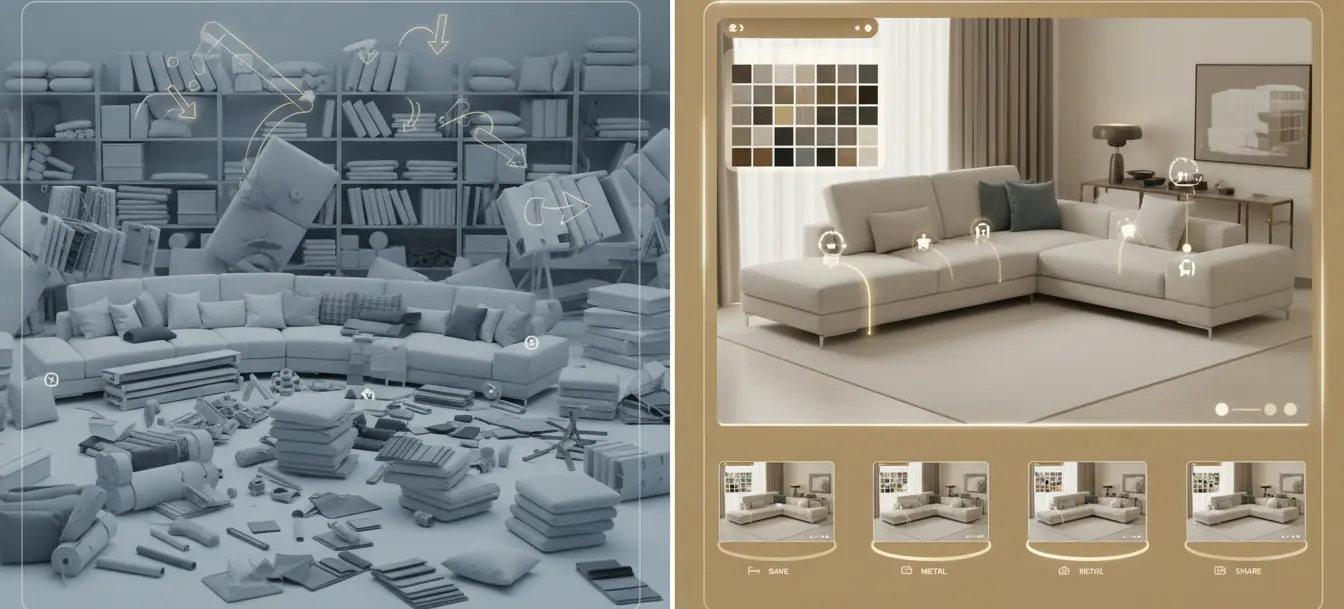
Challenge 3: Increasing Customer Demand for Personalization

Today’s buyers want products that match their space and style. But manually offering customization is slow, confusing, and difficult for retailers to explain.

How 3D Solves This

  • Customers can add/remove/replace modules
  • Change fabrics, finishes, legs, cushions, and more
  • Try multiple layouts within seconds
  • Save or share configurations directly

Faster sales, happier customers, and personalized products with zero confusion.

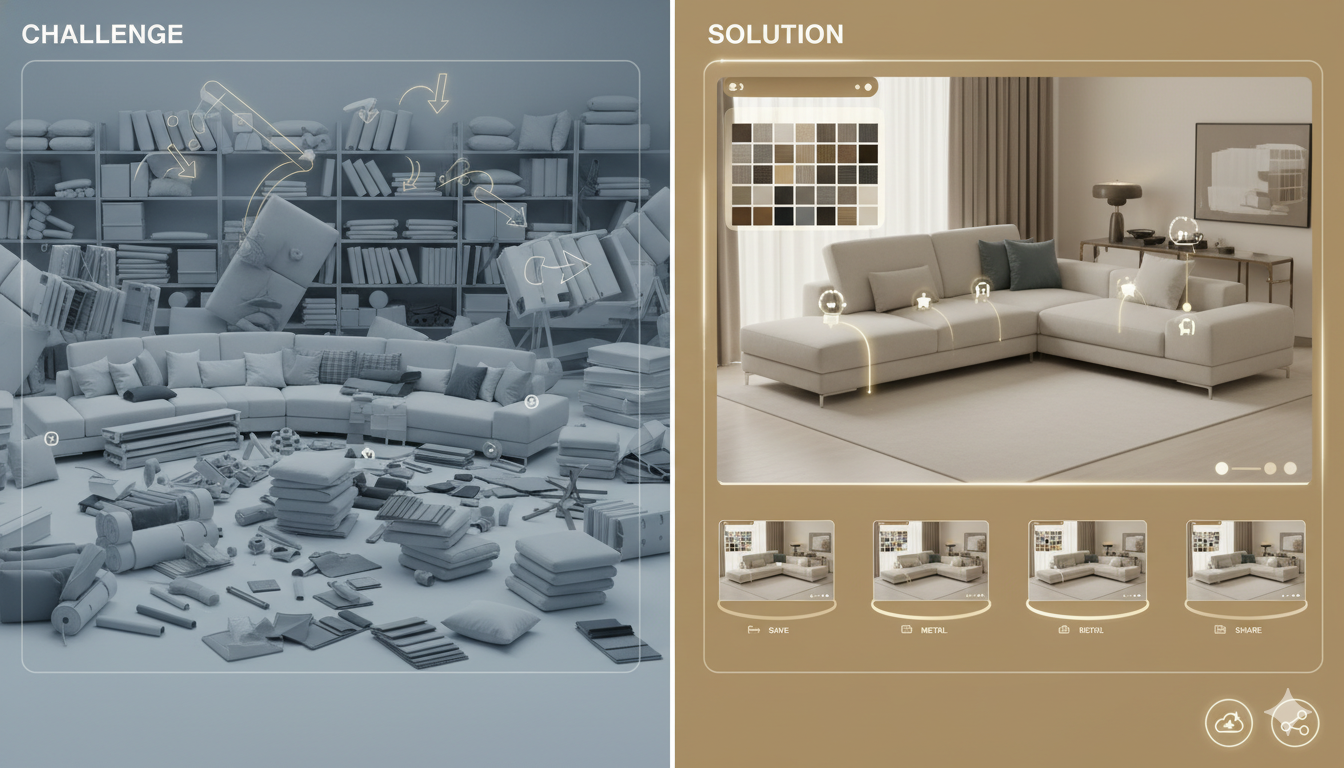
Challenge 4: Lengthy Sales Cycles in Showrooms

Salespeople often struggle to explain modular furniture combinations or possible configurations using catalogs and sample books. This slows down the buying process.

How 3D Solves This

  • Sales teams can load the product instantly using QR codes
  • Customers can try every combination visually
  • Clear visual explanations reduce customer hesitation
  • Interior designers can present full room layouts in minutes

Faster conversions and a more interactive showroom experience.

Challenge 5: Operational Inefficiencies in Manufacturing

Manufacturers spend a lot of time clarifying orders, re-checking measurements, and correcting mistakes. Every error adds cost and delays.

How 3D Solves This

  • Automated, accurate production data
  • Real-time module dimensions, quantities, finishes, and bill of materials
  • Reduced human dependency in data transfer
  • Standardized workflow from design to dispatch

Reduced rework, faster production, and improved profitability.

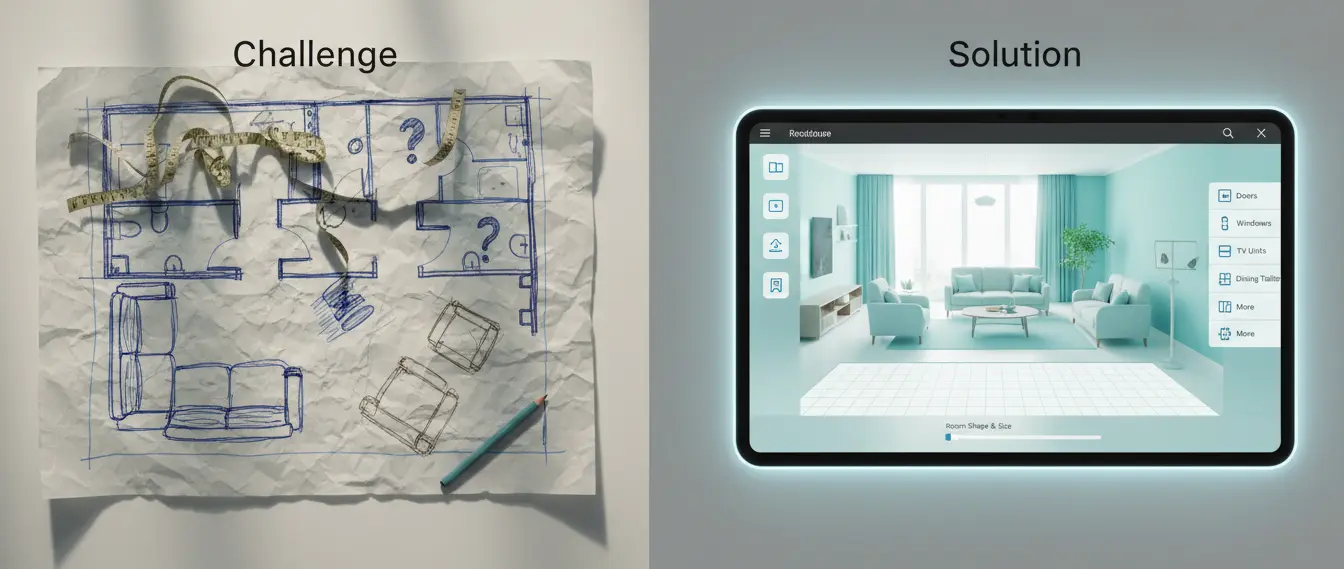
Challenge 6: Difficulty in Planning Spaces Accurately

Customers often buy furniture without knowing how it will fit in their room, leading to dissatisfaction and return requests.

How 3D Solves This

  • Built-in space planner to design room layout
  • Add doors, windows, TV units, dining tables, and more
  • Change room shape and size
  • Place the customized product inside the virtual room

The Bottom Line: 3D Isn’t a Luxury — It’s a Necessity

The furniture industry is moving toward a future where:

  • Customers design their own products
  • Retailers offer instant visualization
  • Manufacturers receive error-free specifications
  • Designers present complete spaces, not just ideas

Brands that adopt 3D technology today will lead the market tomorrow. It’s not just about staying updated—it’s about staying ahead.

The Future of Retail: How AI + 3D Are Changing the Way We Shop

The Future of Retail: How AI + 3D Are Changing the Way We Shop

The retail industry is undergoing a digital transformation like never before. With the rise of Artificial Intelligence (AI) and 3D visualization technologies, the way we explore, customize, and purchase products has completely evolved. Shoppers no longer want to imagine how a product might look — they want to see it, personalize it, and experience it in real-time.

From Static Images to Interactive Experiences

Traditional eCommerce once relied on flat photos and lengthy product descriptions. But today’s shoppers expect more.

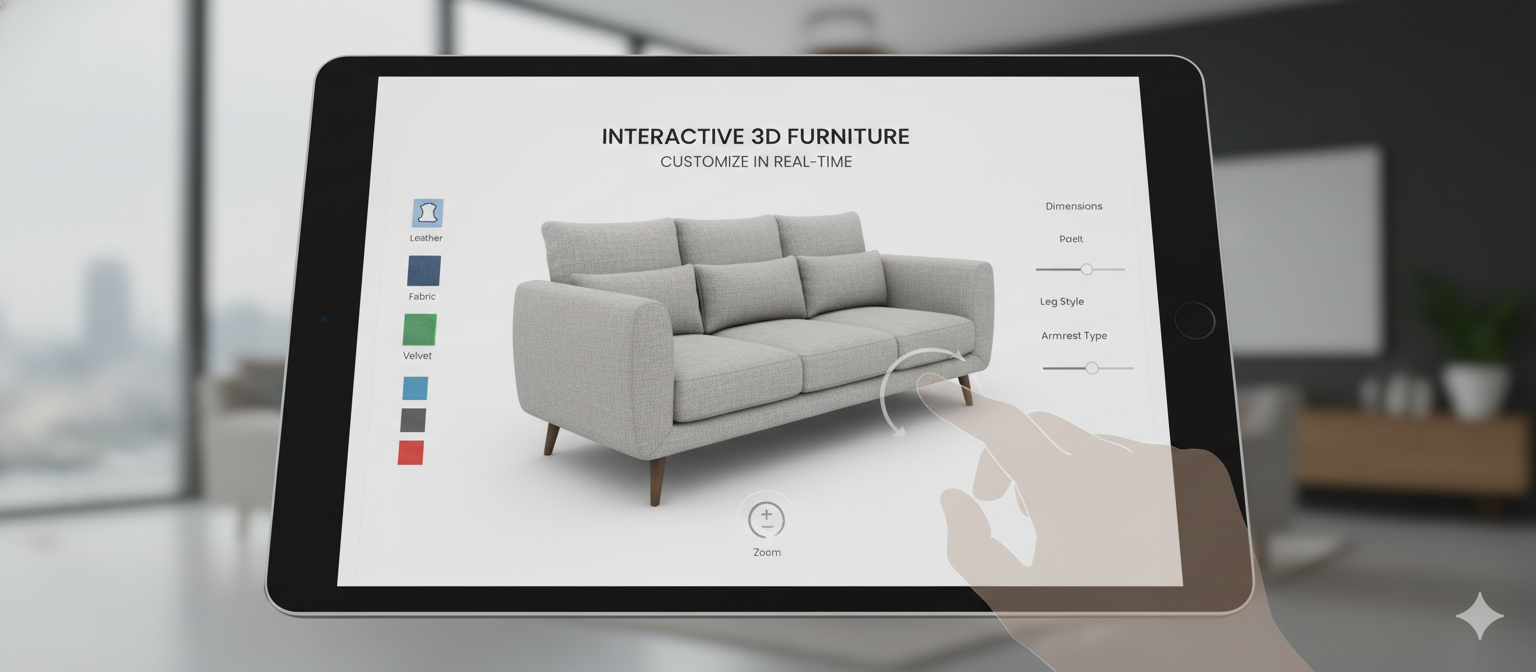
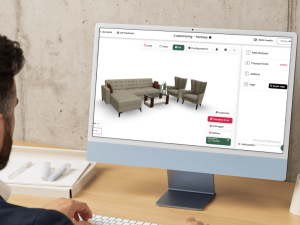
Thanks to 3D configurators, customers can now rotate, zoom, and modify products from every angle — changing materials, colors, finishes, and dimensions in real time. This level of interaction not only makes shopping more engaging but also builds trust. When customers can visualize a product exactly as they want it, they make decisions with greater confidence and satisfaction.

AI: The Engine Behind Smart Personalization

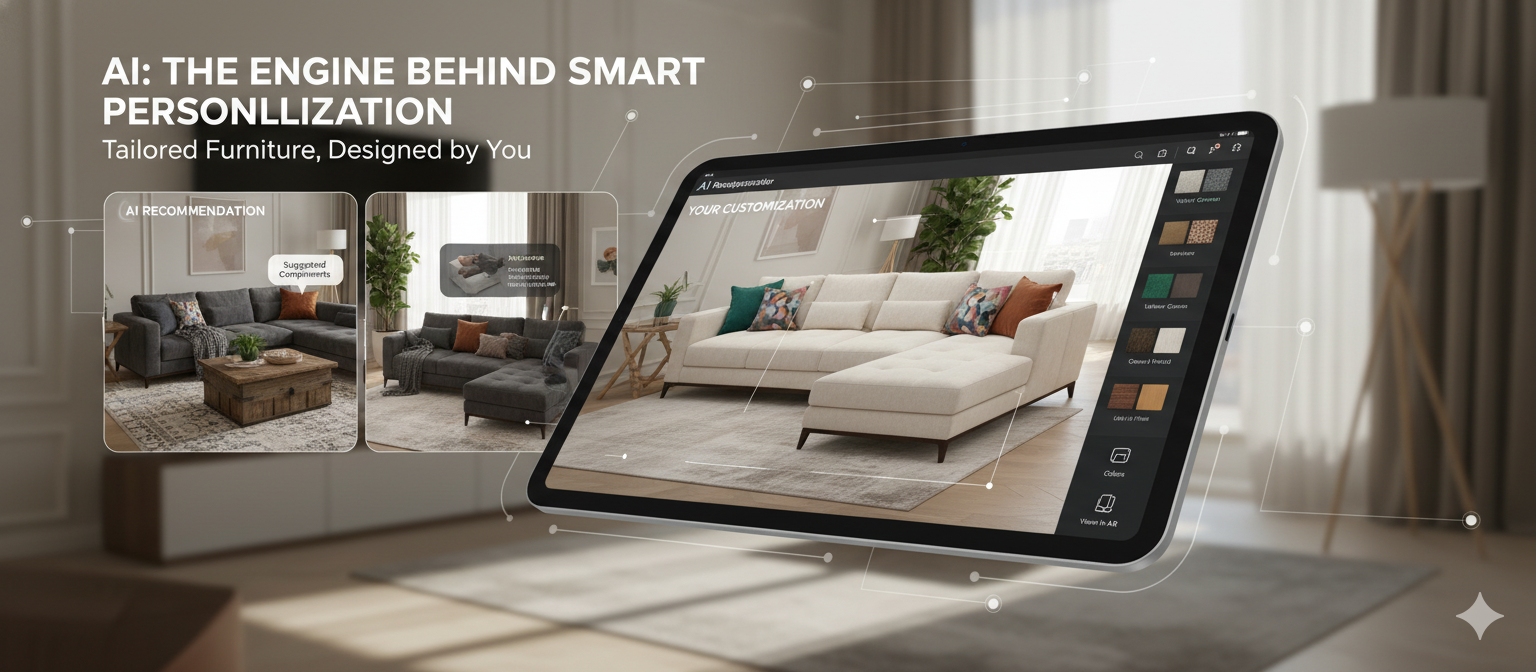
Artificial Intelligence adds a new layer of intelligence to retail experiences. It analyzes customer behavior, purchase patterns, and preferences to deliver personalized recommendations. For example, AI can suggest complementary products or pre-configured combinations that match a customer’s style.

When paired with 3D configurators, this becomes even more powerful — customers don’t just get generic suggestions; they see real-time visual recommendations that feel unique to them.

Imagine visiting a furniture website: AI instantly understands your aesthetic based on your browsing behavior and suggests designs you’re most likely to love. You can then customize them in 3D, swap materials, and view them instantly in your room using Augmented Reality (AR). That’s personalization at its finest.

Blending Physical and Digital Retail

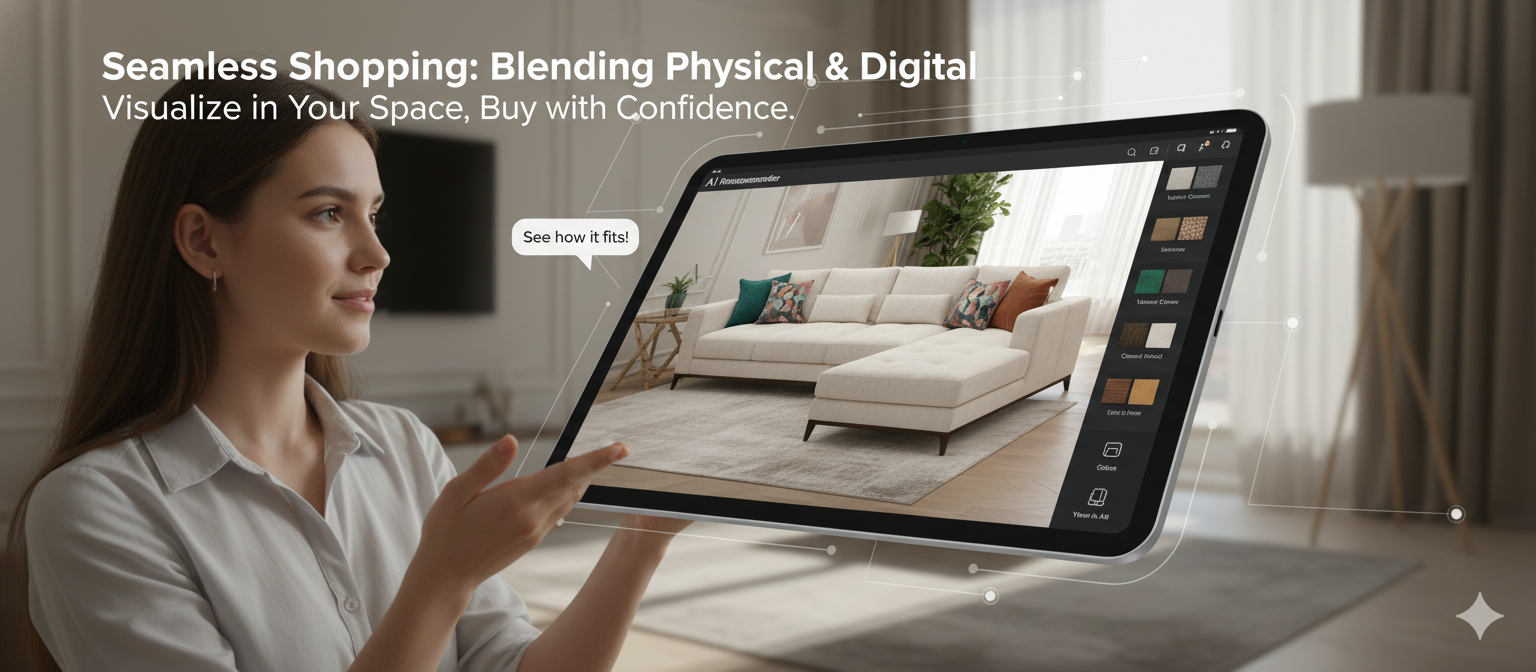
AI and 3D technologies are also reshaping the bridge between online and offline shopping. Through AR-powered visualization, customers can project 3D models of products directly into their living spaces using their phones or tablets. This helps them see how a product fits, matches, and feels in context — reducing returns and increasing confidence.

For brands, this means fewer costly returns, shorter sales cycles, and more satisfied customers. For consumers, it means buying exactly what they want without uncertainty.

Why the Future Belongs to AI + 3D

AI and 3D together are setting new standards for what customers expect from modern retail experiences. They enable:

Immersive product visualization

Immersive product visualization that turns browsing into exploration.

Intelligent recommendations

Intelligent recommendations that feel genuinely personal.

Faster decision-making

Faster decision-making through interactive, data-driven experiences.

Stronger brand-customer relationships

Stronger brand-customer relationships built on trust and transparency.

The future of retail isn’t about selling products — it’s about selling experiences. And with AI and 3D customization, brands can deliver those experiences at scale.

As we step into 2025, AI and 3D configurators will continue to redefine the shopping journey — from discovery to decision. Retailers that adopt these innovations early will not only stay ahead of the competition but also set a new benchmark for customer engagement and satisfaction.

The future of shopping is interactive, intelligent, and immersive — and it’s already here.