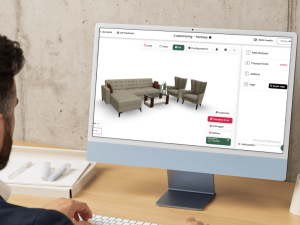
Why Forward-Thinking Furniture Brands Are Adopting 3D Technology in 2025
The furniture industry is evolving faster than ever. Customers want personalized products, manufacturers demand accuracy, and retailers need tools that help them sell confidently—both online and offline. Yet despite this, many brands still struggle with avoidable challenges such as miscommunication, order errors, and slow sales cycles.
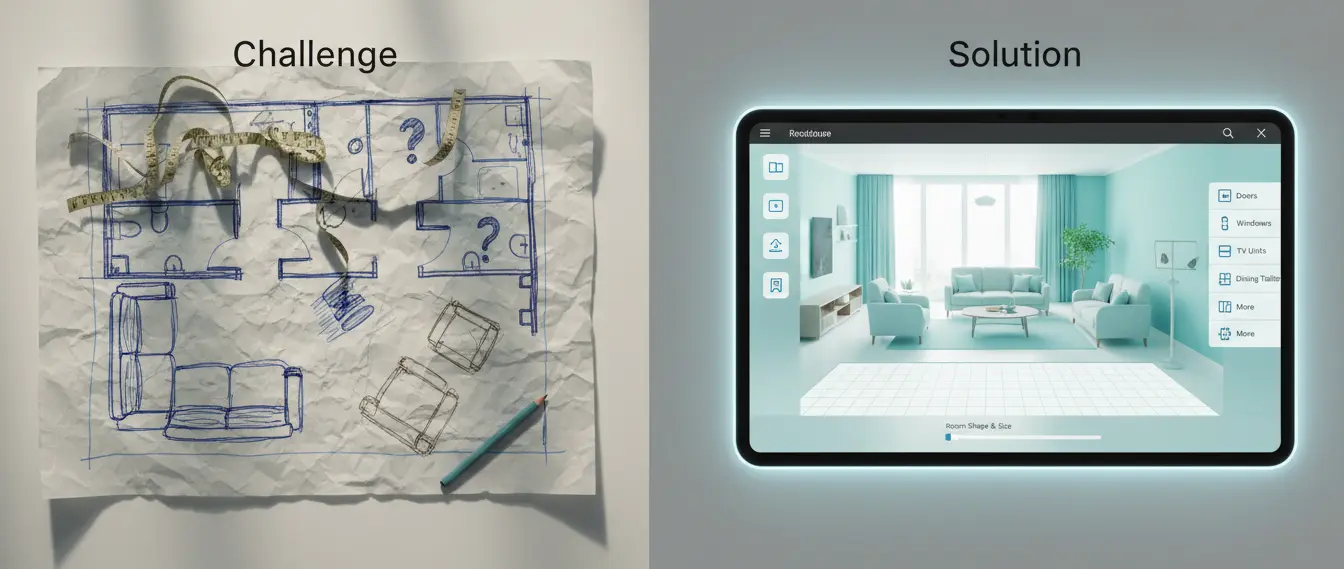
This is where 3D product configuration, AR tools, and digital space planning are making a massive impact. They don’t just “enhance” the buying experience—they solve some of the industry’s biggest pain points at their root.
In this blog, we’ll explore the top challenges faced by furniture retailers and manufacturers today, and how 3D technology is transforming the way the industry works.
Challenge 1: Customers Can’t Visualize the Product
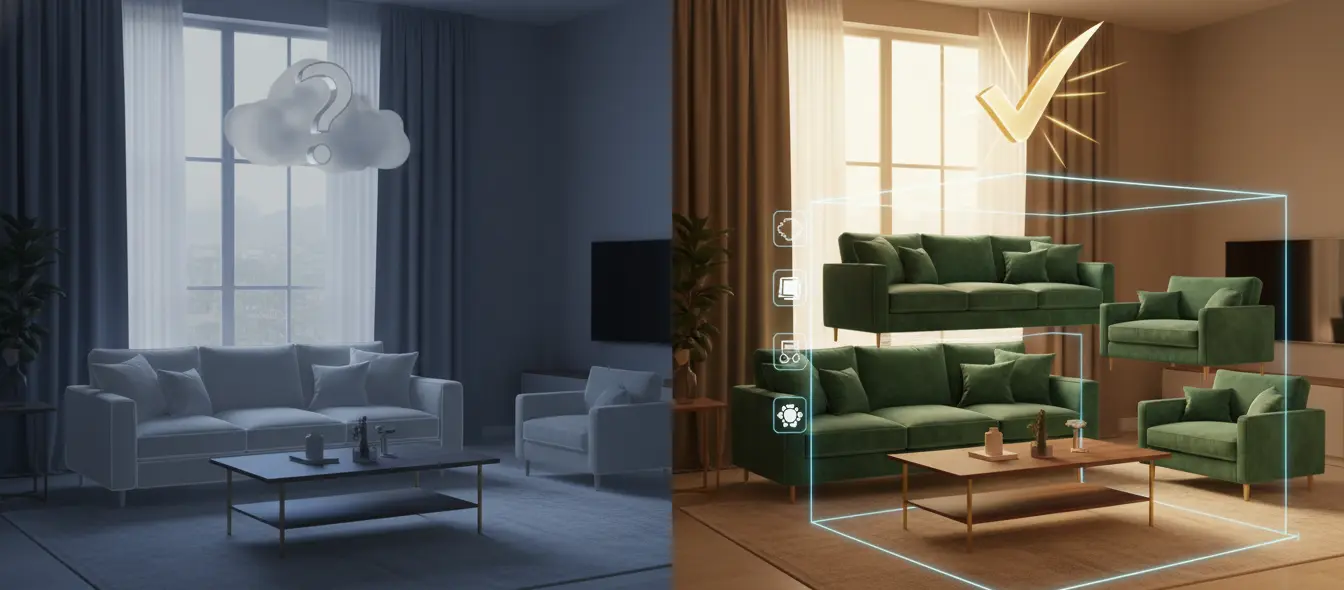
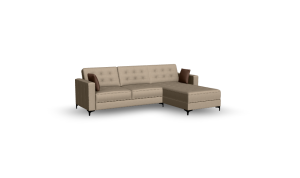
Traditional 2D photos fail to show true size, proportions, textures, or finishes. As a result, customers often feel unsure about their purchase—even if they love the design.
How 3D Solves This
360° view from every angle
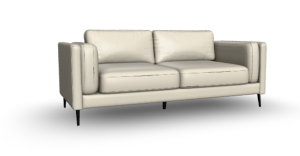
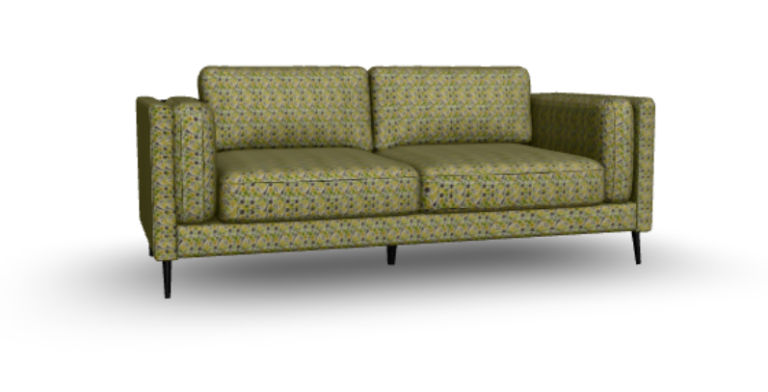
Real-time material, colour, and finish changes
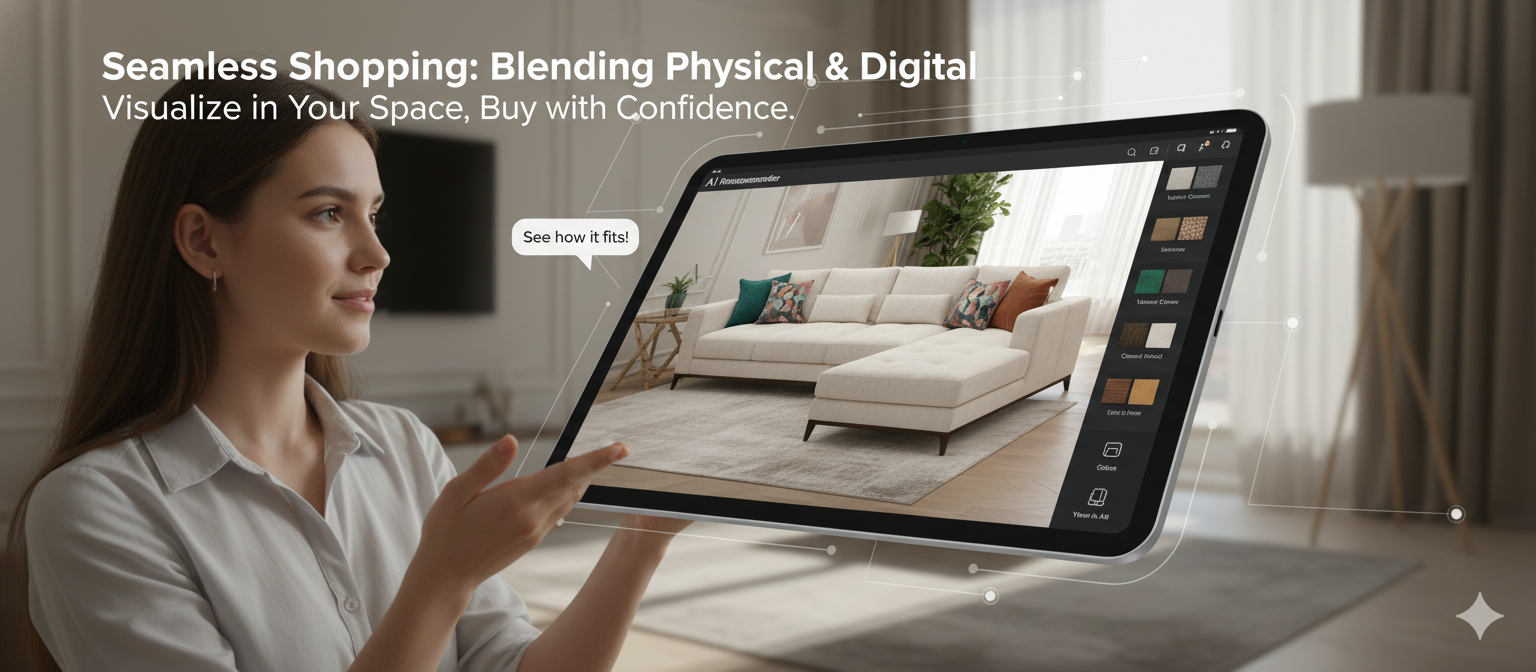
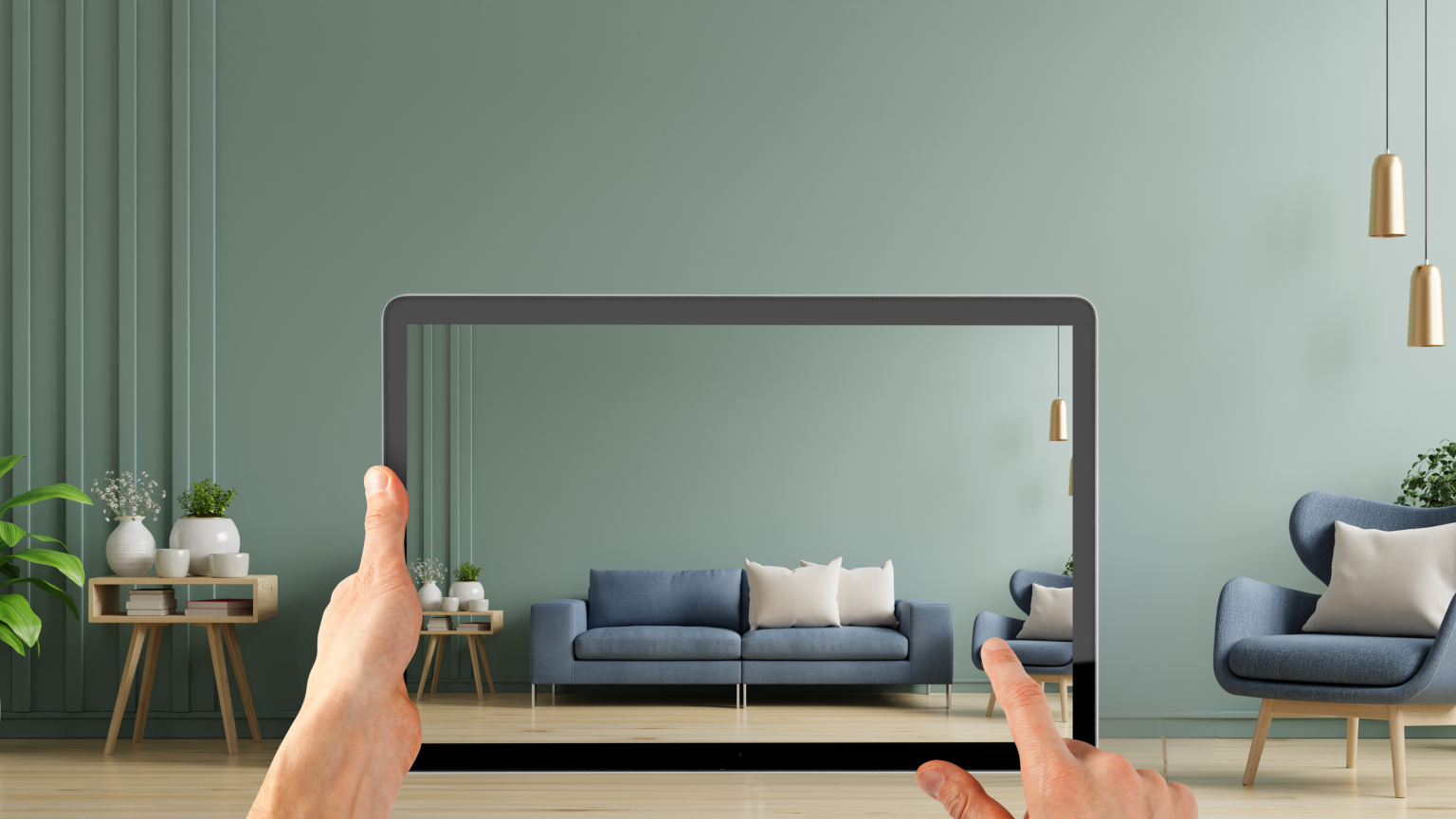
Ability to view the furniture in their actual space using AR
Accurate representation of scale and dimensions
Customers know exactly what they are buying, resulting in higher confidence and fewer returns.
Challenge 2: Miscommunication Between Customer, Retailer & Manufacturer
In the furniture industry, even the smallest misunderstanding—finish, size, module layout, cushion type—can lead to wrong orders, wasted material, and production delays.
How 3D Solves This
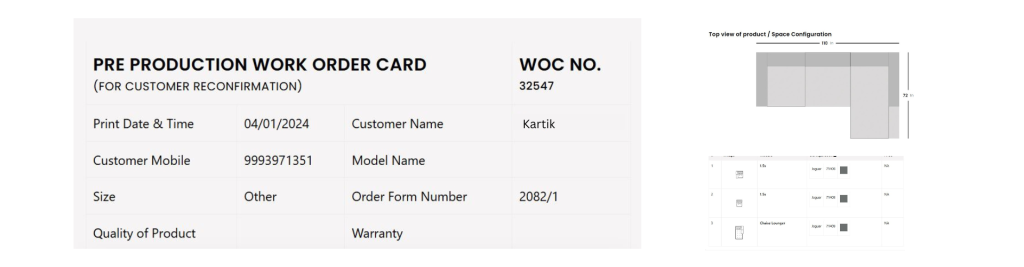
Every customization is documented automatically
A detailed order card/production card is generated with specifications
No dependency on manual notes or verbal instructions
Manufacturers receive precise data from the configurator
Clear communication, fewer mistakes, and smoother workflow between all teams.
Challenge 3: Increasing Customer Demand for Personalization
Today’s buyers want products that match their space and style. But manually offering customization is slow, confusing, and difficult for retailers to explain.
How 3D Solves This
Customers can add/remove/replace modules
Change fabrics, finishes, legs, cushions, and more
Try multiple layouts within seconds
Save or share configurations directly
Faster sales, happier customers, and personalized products with zero confusion.
Challenge 4: Lengthy Sales Cycles in Showrooms
Salespeople often struggle to explain modular furniture combinations or possible configurations using catalogs and sample books. This slows down the buying process.
How 3D Solves This
Sales teams can load the product instantly using QR codes
The Future of Retail: How AI + 3D Are Changing the Way We Shop
The retail industry is undergoing a digital transformation like never before. With the rise of Artificial Intelligence (AI) and 3D visualization technologies, the way we explore, customize, and purchase products has completely evolved. Shoppers no longer want to imagine how a product might look — they want to see it, personalize it, and experience it in real-time.
From Static Images to Interactive Experiences
Traditional eCommerce once relied on flat photos and lengthy product descriptions. But today’s shoppers expect more.
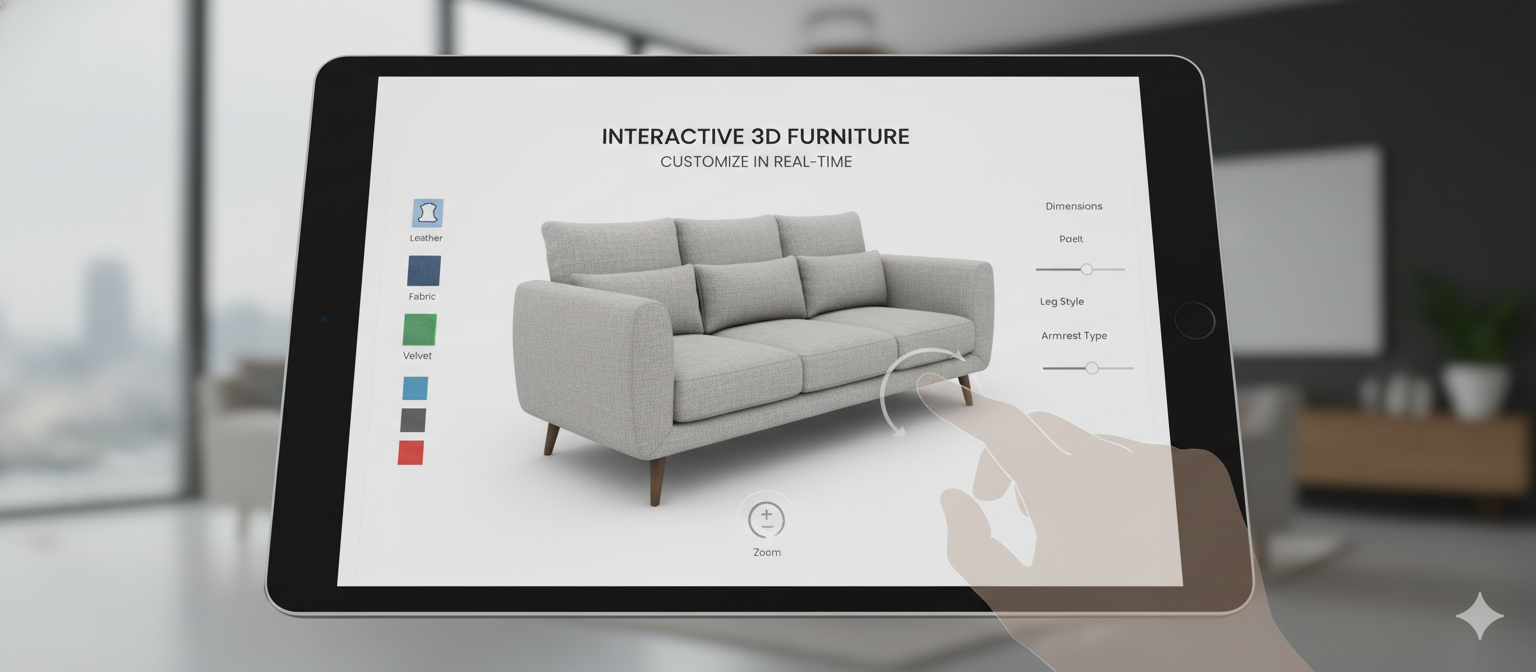
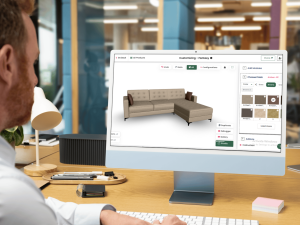
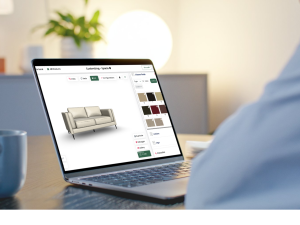
Thanks to 3D configurators, customers can now rotate, zoom, and modify products from every angle — changing materials, colors, finishes, and dimensions in real time. This level of interaction not only makes shopping more engaging but also builds trust. When customers can visualize a product exactly as they want it, they make decisions with greater confidence and satisfaction.
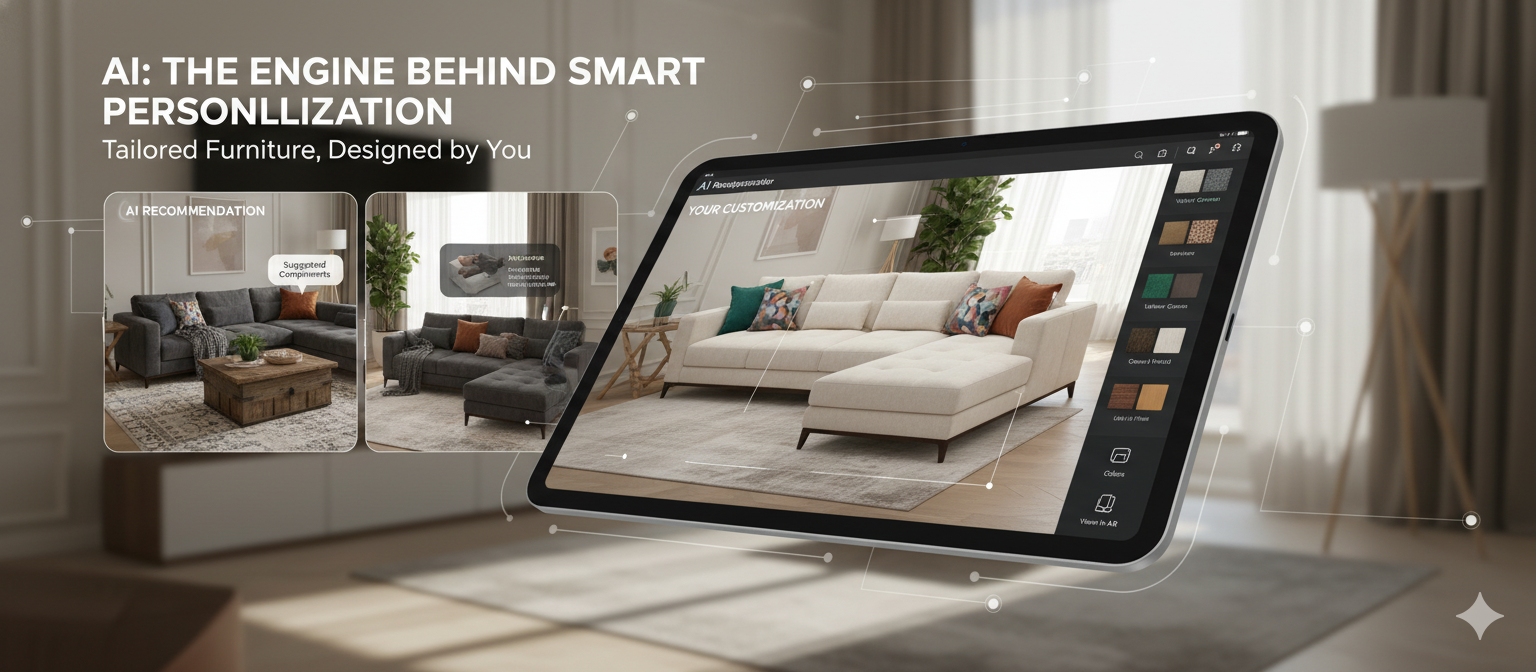
AI: The Engine Behind Smart Personalization
Artificial Intelligence adds a new layer of intelligence to retail experiences. It analyzes customer behavior, purchase patterns, and preferences to deliver personalized recommendations. For example, AI can suggest complementary products or pre-configured combinations that match a customer’s style.
When paired with 3D configurators, this becomes even more powerful — customers don’t just get generic suggestions; they see real-time visual recommendations that feel unique to them.
Imagine visiting a furniture website: AI instantly understands your aesthetic based on your browsing behavior and suggests designs you’re most likely to love. You can then customize them in 3D, swap materials, and view them instantly in your room using Augmented Reality (AR). That’s personalization at its finest.
Blending Physical and Digital Retail
AI and 3D technologies are also reshaping the bridge between online and offline shopping. Through AR-powered visualization, customers can project 3D models of products directly into their living spaces using their phones or tablets. This helps them see how a product fits, matches, and feels in context — reducing returns and increasing confidence.
For brands, this means fewer costly returns, shorter sales cycles, and more satisfied customers. For consumers, it means buying exactly what they want without uncertainty.
Why the Future Belongs to AI + 3D
AI and 3D together are setting new standards for what customers expect from modern retail experiences. They enable:
Immersive product visualization
Immersive product visualization that turns browsing into exploration.
Intelligent recommendations
Intelligent recommendations that feel genuinely personal.
Faster decision-making
Faster decision-making through interactive, data-driven experiences.
Stronger brand-customer relationships
Stronger brand-customer relationships built on trust and transparency.
The future of retail isn’t about selling products — it’s about selling experiences. And with AI and 3D customization, brands can deliver those experiences at scale.
As we step into 2025, AI and 3D configurators will continue to redefine the shopping journey — from discovery to decision. Retailers that adopt these innovations early will not only stay ahead of the competition but also set a new benchmark for customer engagement and satisfaction.
The future of shopping is interactive, intelligent, and immersive — and it’s already here.
How 3D Configurators Reduce Product Returns and Boost Sales
In today’s competitive market, customer satisfaction is the backbone of successful businesses. But one of the biggest challenges retailers and manufacturers face is product returns. High return rates not only affect revenue but also erode trust between brands and customers. This is especially common in industries like furniture, fashion, and interior design, where visualization plays a critical role in purchase decisions.
This is where 3D product configurators come in as a game-changing solution. By allowing customers to interact with products in real-time, customize them according to their needs, and visualize them in their own spaces, 3D configurators reduce confusion, increase confidence, and ultimately cut down product returns while boosting sales.
Why Product Returns Happen
Before diving into how 3D configurators help, let’s look at the main reasons for high return rates:
Unclear product visualization
Customers struggle to imagine the product in real life.
Incorrect sizing or dimensions
Products don’t fit the intended space.
Mismatch in colors/finishes
What customers see online doesn’t match what arrives.
Miscommunication
Lack of clarity about customization details between customers, sales teams, and manufacturers.
All these issues can be addressed with the right product visualization tool.
How 3D Configurators Reduce Product Returns
Realistic Visualization
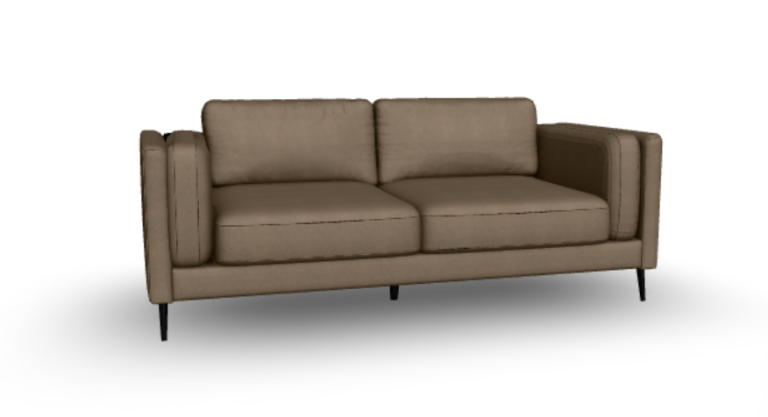
3D configurators let customers see every angle, detail, and texture of a product. Whether it’s a sofa, a bed, or a modular unit, buyers can zoom, rotate, and interact with the product before purchasing. This reduces surprises when the product arrives.
Accurate Customization
From selecting finishes, fabrics, and colors to changing product dimensions, customers can configure the product exactly the way they want. This eliminates guesswork and ensures the final product matches their expectations.
Space Planning & AR Integration
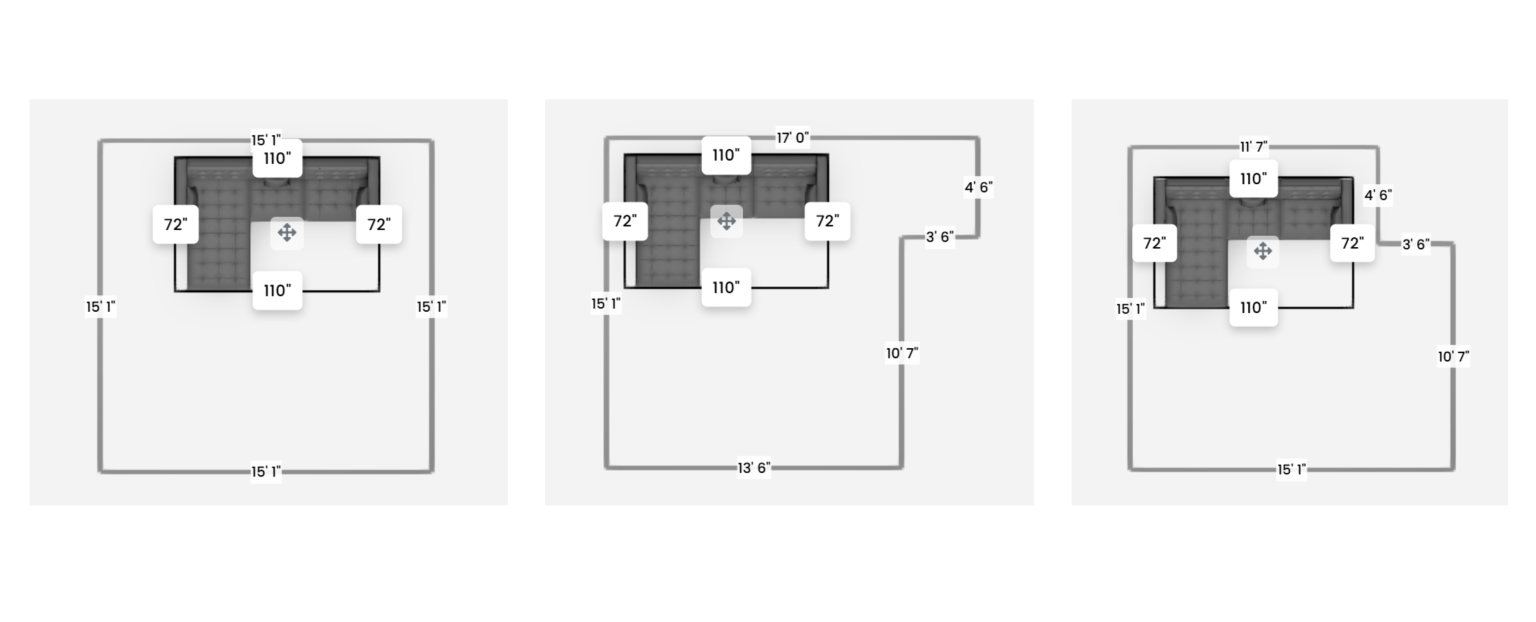
With features like space planners and augmented reality (AR) views, customers can virtually place products in their rooms to check fit and style compatibility. No more “it looked smaller in pictures” complaints.
Clear Communication to Manufacturers
3D configurators can generate detailed product summaries and order cards, ensuring every customization detail is captured and shared accurately with the manufacturer. This minimizes errors and reduces the chances of the wrong product being made.
How 3D Configurators Boost Sales
Reducing returns is only half the story—3D configurators also directly drive sales growth:
Increased Confidence → Faster Decisions
When customers are sure about what they’re buying, they’re more likely to make a purchase without hesitation.
Higher Engagement → Longer Time on Site
Interactive customization keeps customers engaged, leading to higher conversion rates.
Upselling & Cross-Selling Opportunities
By offering multiple finish options, premium materials, or modular add-ons, configurators encourage customers to explore and purchase more.
Personalized Shopping Experience
Buyers feel more connected to products they’ve designed themselves, which creates brand loyalty and repeat purchases.
Customizing a product in 3D is powerful—but the real magic happens when that design can be saved, shared, and revisited anytime.
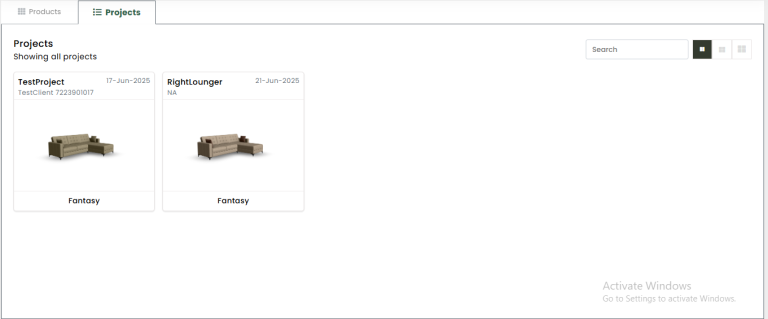
That’s why our 3D configurator includes a Save as Project feature:
A simple but powerful way to preserve your current configuration, share it with clients, and reload it later for edits or approval.
Why This Matters
In real-world design and planning scenarios, decisions rarely happen in one go. Projects evolve. Ideas get reviewed, refined, and approved in stages. This feature supports that exact workflow:
Save Work Progress
Keep the current customization state exactly as it is.
Share with Clients or Teams
Generate a sharable project link—no login or software needed.
Reload Anytime
Open the saved project in one click, make updates, and re-share as needed.
Benefits for Designers, Vendors & Clients
Streamlined Collaboration
Share the exact product setup—finish, modules, layout, and all—with clients or team members for feedback or approval.
No Redesigning from Scratch
Reopen saved projects any time. Whether it’s after a week or a month, all customizations are intact.
Faster Revisions
Make quick adjustments based on feedback—without starting over.
Reduced Errors
Save finalized configurations as a reference for production or ordering—ensuring accuracy in execution.
A Real-World Scenario
Let’s say a vendor is customizing a modular sofa for a client. They:
Configure the layout and finishes in 3D
Save it as a Project
Share the link with the client via WhatsApp or email
The client reviews, requests a few changes
The vendor reopens the same project, makes changes, and reshares
No back-and-forth confusion, no need to rebuild the design—it’s efficient and crystal clear.
Simplifying Customization with Smart Material Filters
When customizing a product—whether it’s a sofa, swing, or wall unit—the details matter. Among those details, material selection is one of the most personal and impactful choices a user makes.
But with hundreds of options available, how do users find the right one?
That’s where material filtering becomes essential.
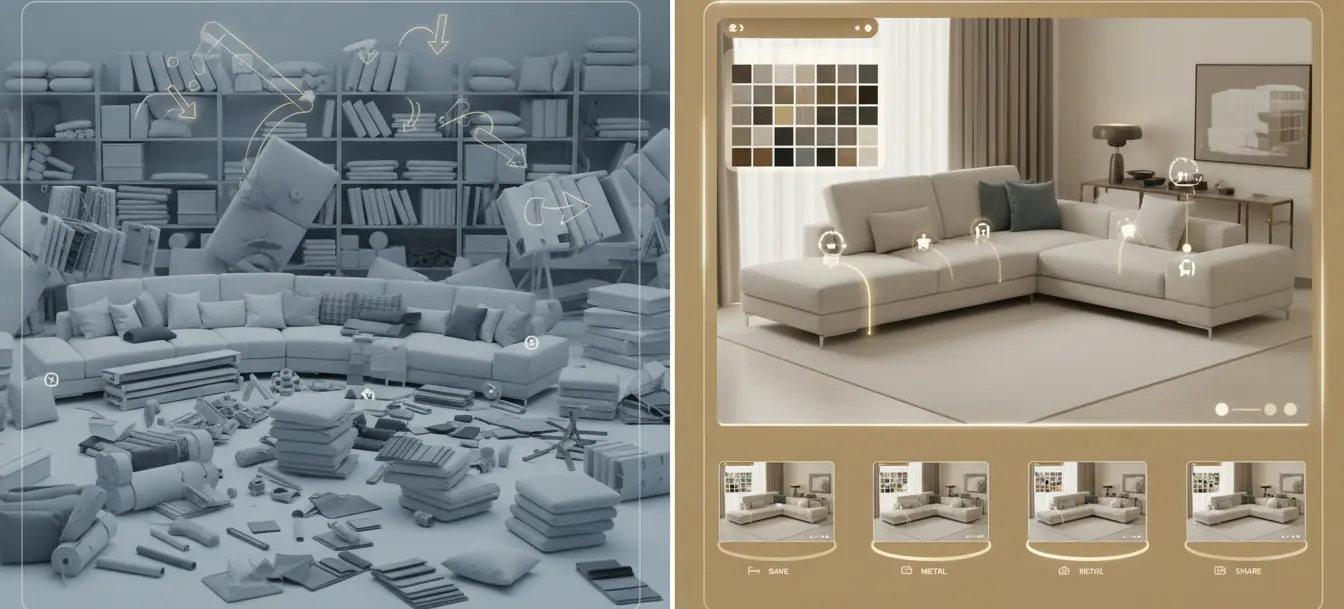
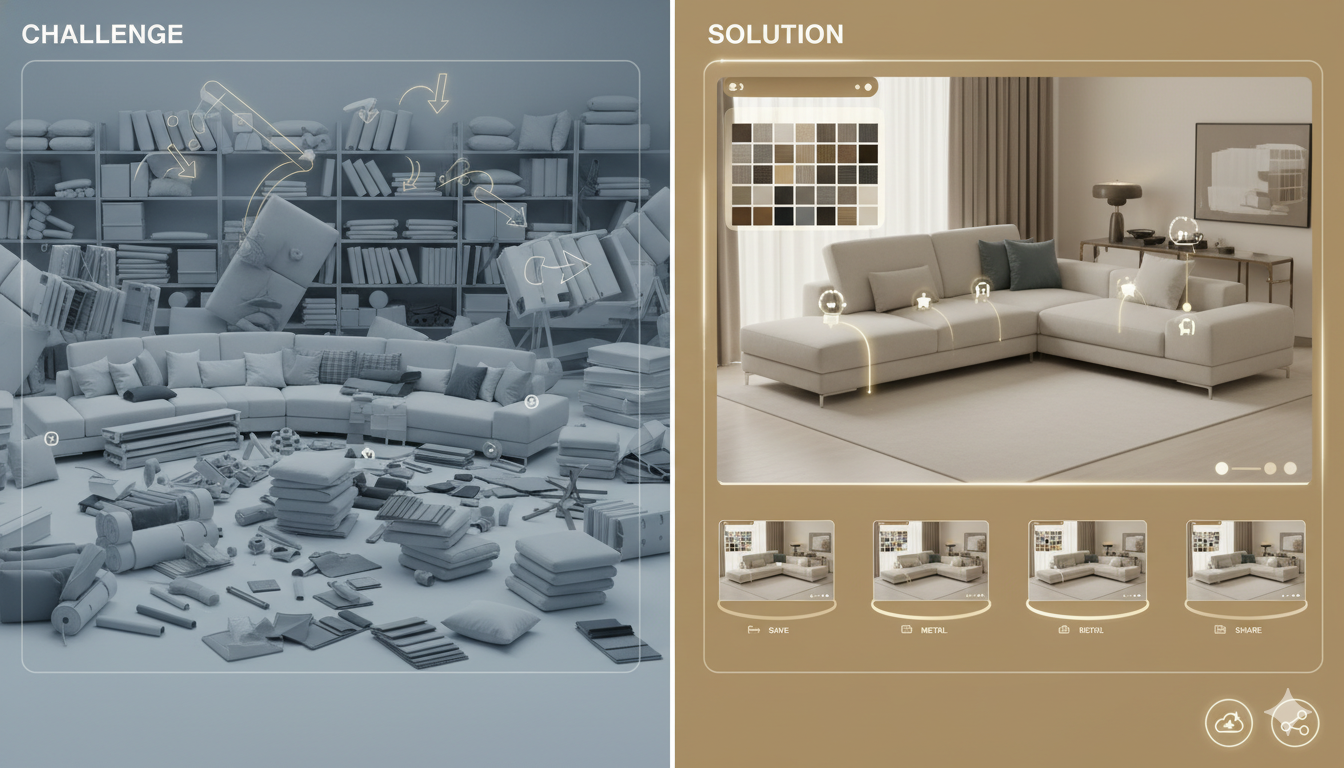
The Challenge: Too Much Choice, Too Little Clarity
In any product customization journey, users are often presented with a large list of materials: fabrics, leathers, velvets, solids, patterns, textures, and more.
Without a way to narrow things down, this abundance can lead to:
Decision fatigue
Wasted time
Confusion between similar-looking options
The result? A frustrating experience, where the creative flow is interrupted by too much clutter.
The Solution: Material Filters That Work Like Users Think
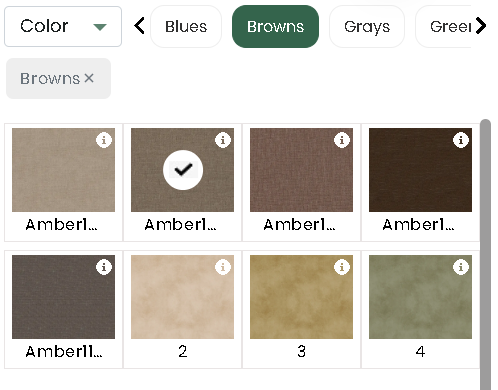
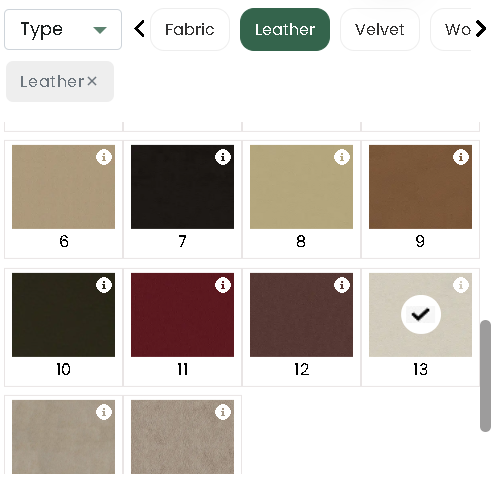
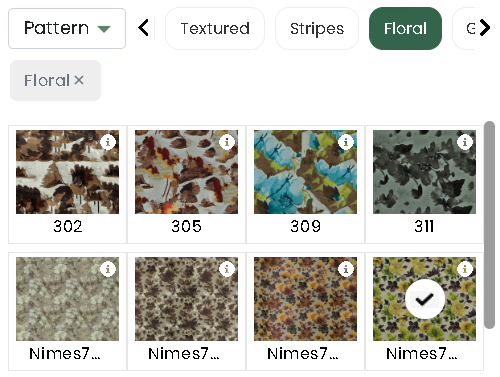
By enabling users to filter materials by intuitive categories, the customization process becomes simpler and more satisfying. Common filters include:
Color
Filter materials based on preferred shades—like beige, blue, or greyscale.
Material Type
Narrow down to fabric, leather, velvet, or other types.
Pattern or Texture
Choose between solid colors, textured finishes, prints, or quilted styles.
This lets users explore creatively—without getting lost in the options.
Benefits of Material Filtering in Customization
Faster Decisions
Users can skip irrelevant options and focus on what fits their style or vision.
Reduced Overwhelm
Simplifying the material list helps users stay in control of the customization journey.
More Accurate Results
Filters help ensure the final design truly matches the user’s aesthetic and functional needs.
Enhanced Personalization
Filtering supports more intentional choices—because every user has different preferences.